
How to Hook a Well Pump Up to a Generator? (Explained)
How to hook a well pump up to a generator? When the power goes out, having a reliable water source becomes crucial, especially if you rely on a well pump.

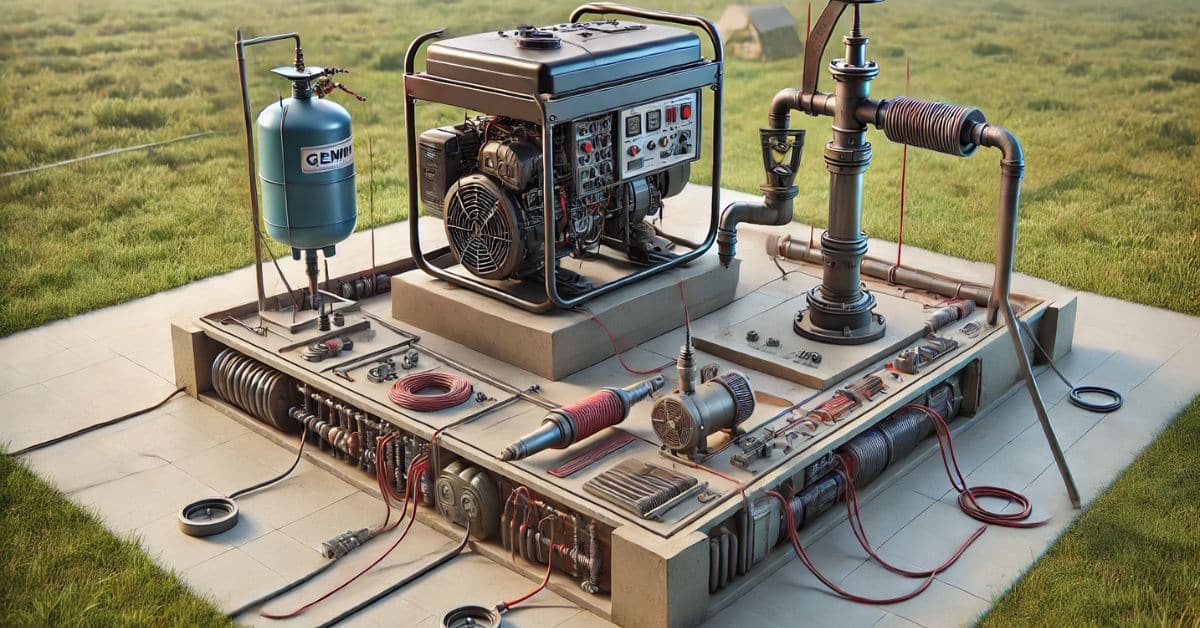
When the power goes out, having a reliable water source becomes important, especially if you rely on a well pump. I will guide you through the steps to safely hook up a well pump to a generator, making sure you have water when you need it the most. This process not only keeps your household working well during outages but also brings confidence knowing you’re prepared for any situation.
Before starting, it’s important to gather the right tools and understand the basics of your equipment. I’ve seen firsthand how the wrong approach can lead to complications, so I’ll share my tips on safety and efficiency. By the end of this article, you will feel confident in connecting your well pump to a generator.
Understanding the Basics
For hooking up a well pump to a generator, understanding the types of generators and well pumps involved is key. This knowledge helps maintain reliable power and proper operation.
Types of Generators
Generators come in two main types: portable generators and standby generators.
Portable generators are versatile and ideal for temporary use. They can easily be moved as needed and typically run on gasoline or propane. Their power supply is suitable for smaller pumps, like a submersible pump, that require less horsepower.
Standby generators, on the other hand, are stationary and often connected directly to your home’s electrical system. They can handle larger loads and are a great option if you need to power a high-horsepower well pump. These usually run on natural gas or propane, providing a stable power supply during outages.
Choosing the right generator depends on your specific needs, particularly how much power your well pump requires.
Types of Well Pumps
Well pumps mainly fall into two categories: submersible pumps and jet pumps.
Submersible pumps are designed to be submerged underwater. They are efficient and can handle deep wells. These pumps can range in horsepower, so matching the right pump to your generator’s capacity is important.
Jet pumps work by creating a vacuum to draw water from the well. They are typically used for shallow wells. While they may be easier to install, they require more maintenance than submersible pumps.
Understanding these types helps make sure you select equipment that fits your power supply and water needs effectively.
Safety First: Preparation and Precautions
Before I hook up a well pump to a generator, I always make sure to prioritize safety. It’s essential to follow the necessary precautions to avoid accidents and make sure everything runs well. Here’s what I consider critical in terms of safety.
Generator Safety and Positioning
First, I make sure my generator is placed outdoors and well away from any windows or doors. This helps prevent carbon monoxide buildup. I also check the ground is level and dry to avoid any water hazards.
I pay attention to the manufacturer’s guidelines on fuel types and wattage requirements. Using the correct fuel can make a big difference in performance and safety. I always remember to keep the generator at least three feet away from any flammable materials. A good practice is to use heavy-duty extension cords that are rated for wet conditions.
Electrical Safety: Understanding Grounding
Grounding is a big deal for electrical safety. I make sure that my generator is properly grounded before I connect it to the well pump. This prevents electrical shock and helps divert any excess current.
Using a transfer switch is the safest method to connect a generator to a home’s electrical system. It isolates the generator from the utility grid, which protects both my equipment and the power lines. If I’m unsure about the setup, I don’t hesitate to consult with a qualified electrician to make sure everything is up to code.
Well Pump and Generator Compatibility
Before I start, I check that my well pump is compatible with the generator. I look at the wattage requirements carefully. My generator must provide enough power to handle the pump’s starting surge, which is often much higher than its running wattage.
I also make sure that all connections are secure and weatherproof. Using appropriate gauge wires prevents overheating and maintains efficient power delivery. It’s important that my generator and well pump can work together without issues, maintaining a reliable water supply when it’s needed most.
Proper Equipment and Tools
Getting the right equipment and tools is key when hooking up a well pump to a generator. Using the proper generator, cables, and connectors will maintain a safe and effective connection. Here’s what you need to know.
Choosing the Right Generator
When selecting a generator, I recommend a unit with at least 5000 watts to effectively power a well pump. This wattage makes sure the generator can handle both the start-up and running requirements of the pump.
Make sure the generator provides the required voltage, usually 120V or 240V. It’s also important to check the generator’s amperage ratings to match the pump’s needs. A generator with multiple outlets offers flexibility for other tools or appliances as well.
Essential Tools for Hook-Up
I suggest gathering the following essential tools for a smooth installation:
- Screwdriver: For securing connections.
- Wrench set: To tighten or adjust bolts.
- Wire cutters: For cutting cables to the correct length.
- Power drill: Useful for making any necessary adjustments or fittings.
- Voltage tester: To make sure your connections are safe and working properly.
Having the right tools at hand will help you avoid delays and make the installation process easier and safer.
Selecting Appropriate Cables and Connectors
Choosing the right cables is vital for a successful connection. A heavy-duty extension cord is necessary for powering the well pump from the generator. Make sure that the cord is rated for outdoor use if your setup is outside.
I recommend using a well pump plug adapter to connect the pump to the generator easily. Make sure you have the appropriate power cable for the voltage and wattage of your pump. In addition, secure wiring connections to prevent any loose ends or shorts.
By making informed decisions about your equipment, you set yourself up for a successful and reliable power connection to your well pump.
Installation Step-By-Step
I know how important it is to have a reliable water supply, especially during power outages. Connecting a well pump to a generator involves a few critical steps to maintain efficiency and safety. Let’s dive into the specifics.
Setting Up the Transfer Switch
The first step is to install a transfer switch. This device is key in safely transferring power from your generator to your home’s electrical system.
- Choose the Right Location: Find a spot near your breaker box that allows for easy access.
- Power Off: Make sure the main power supply is turned off before starting.
- Connect Wires: Use appropriate gauge wire to connect the transfer switch to your breaker box. Following the local electrical codes is vital.
- Install Circuit Breakers: Add circuit breakers for each circuit you want to power through the generator. This protects your system from overload.
By following these steps, you’ll have a functional transfer switch that can handle the load of the well pump effectively.
Connecting the Generator to the Well Pump
Next up, I’ll connect the generator to the well pump. Make sure that you have the right wattage generator for the pump’s requirements.
- Power Off the Generator: Always start with the generator turned off before connecting any wires.
- Use Heavy-Duty Cables: Choose the correct gauge wire suitable for the generator’s output. Heavy-duty cables are essential to handle high wattage safely.
- Plug in the Pump: Connect the power cord from the well pump to the generator. Make sure it’s a tight fit to avoid loose connections.
- Turn On the Generator: Start the generator and allow it to warm up.
After everything is connected, test the pump to confirm it’s working properly.
Maintaining a Secure Electrical Connection
Finally, maintaining a secure electrical connection is important for safety. A poor connection can lead to overheating or even fire hazards.
- Tighten All Connections: Double-check and tighten all wire connections. Use a circuit tester to verify that everything is connected properly.
- Check the Breaker Settings: Maintain the circuit breakers for the well pump are set correctly. You want to prevent any trip during operation.
- Seal and Protect: If wires are exposed, use proper electrical tape or conduit to protect them from moisture and damage.
- Test Everything: Once everything is hooked up and connections are secure, do a final test of the whole system.
Taking these steps maintains a safe and effective setup for your well pump and generator, giving you confidence.
Starting and Testing
It’s important to make sure your generator is set up correctly before starting the well pump. Verify the generator’s power output before testing the pump’s functionality.
Verifying Power Output and Starting Wattage
Before I power up the generator, I check that it meets the starting wattage requirements of my well pump. Most generators list their wattage on the casing. For instance, a 1/2 HP pump needs about 2000 watts to start and 900 watts to run. This means my generator must handle the maximum starting load without faltering.
I take a moment to confirm the generator is off. Then, I connect the pump’s power cord using a heavy-duty extension cord. After double-checking connections, I start the generator and monitor the voltage meter, making sure it delivers the right output. If it holds steady, I know I’m good to go to the next step.
Testing for Proper Function
Now, it’s time for some testing. With the generator running, I activate the pump. First, I listen for any unusual sounds. A grinding noise could indicate an issue, while a smooth hum usually means it’s functioning well.
Next, I check the water pressure at the output. If I have a pressure switch installed, the pump should kick on and off as it maintains the set pressure. I watch for any pressure drops, which might signal a problem. This steps helps make sure that everything works properly during a power outage when you need it most.
By completing these steps, I can be confident that the generator and well pump are ready to provide consistent water supply in an emergency.
Maintenance and Troubleshooting
Proper maintenance and troubleshooting are essential to keep your well pump connected to a generator working well. Knowing how to perform regular upkeep and fix common issues helps make sure you have reliable water supply, reducing the chances of problems down the line.
Regular Maintenance for Longevity
To keep your system running efficiently, I focus on a few key maintenance tasks. Start by checking the connections regularly. Make sure all cables are secure and free from wear. Loose or damaged wiring can lead to overheating or a complete shutdown.
Next, clean the pump filter to avoid clogging. A clean filter allows for better flow and reduces the strain on the pump. It’s also wise to regularly inspect the generator’s oil and fuel levels. A well-maintained generator prevents unexpected disruptions during power outages.
Finally, consider running your pump with a battery backup during regular maintenance. This makes sure that if the generator fails, you still have access to running water.
Troubleshooting Common Issues
Sometimes, problems do arise with your well pump and generator setup. If your pump isn’t running, start by checking the generator’s power. Make sure it’s turned on, and confirm that the circuit breaker hasn’t tripped.
If the pump is running but you’re not getting water, look for clogs in the pipes or the pump itself. Sediments can build up over time, blocking the flow.
Overheating can also be a big concern. If your generator starts to overheat, turn it off immediately. Let it cool down before checking the oil level and making sure it’s in a well-ventilated area.
Don’t underestimate the importance of testing your system regularly. A good practice is to run the system briefly every few months, so everything stays in working order when you need it most.
Important Considerations for Prolonged Outages
When dealing with prolonged power outages, it’s essential to think about fuel needs and consider alternative power solutions. Both factors can play a significant role in keeping your well pump working well. Here’s what you should know.
Calculating Fuel Needs and Runtime
First, I need to determine how much fuel my generator requires. This will help me plan for extended use.
A standard generator consumes about 0.5 to 1 gallon of fuel per hour at half load.
To get an accurate estimate, I calculate my generator’s total wattage requirements, including the well pump and other appliances.
For instance, if my well pump requires 1,500 watts, I multiply that by the hours I expect to run it, say 24 hours.
Next, I’ll check my generator’s fuel tank size and divide it by the hourly consumption rate to find the runtime. This makes sure I have enough fuel for the duration I need. If it’s a longer outage, I should stock up on extra fuel.
Alternative Power: Battery Backup Systems
Using a battery backup system can be a smart choice for extended power outages. These systems provide a reliable and quiet power source without the need for fuel.
My first option could be a solar battery bank, which charges during the day and supplies power at night.
Alternatively, I might consider a UPS (Uninterruptible Power Supply), which seamlessly switches from the grid to battery power when outages happen, giving me confidence.
I should assess my power needs carefully. A compact battery system might handle the well pump, while larger setups could also support other critical devices, like a refrigerator or lights.
By making the right calculations and considering battery backups, I can make sure I have water and power when I need it most.
Frequently Asked Questions
When hooking up a well pump to a generator, there are many common questions. I’ll cover specific connections, wiring schemes, and generator types to help you get the information you need. Let’s dive into those questions.
What’s the right way to connect a well pump to a portable generator?
To connect a well pump to a portable generator, you can use a transfer switch or plug the pump directly into the generator. The transfer switch is the safer option because it makes sure you don’t backfeed electricity into the grid. Always follow the manufacturer’s wiring instructions.
Could you show me a schematic to wire up a generator to my well pump?
I don’t have a visual schematic to show you, but I can explain how the wiring generally works.
You’ll want to use a double-pole breaker at the subpanel. Connect the power cable from the generator to the well pump’s power setup. Make sure to use proper wire sizes for safety and efficiency.
What kind of adapter would I need to hook my well pump up to a generator?
The type of adapter needed depends on your generator and well pump connection. Often, you will need a special plug that fits both the generator and the pump. Check your generator’s specs to find the correct size.
What wattage of generator would be sufficient to run both a well pump and a fridge in an outage?
Generally, a generator with at least 5,000 watts is ideal for running a well pump and a fridge. The wattage requirements may vary based on the specific models you have. Always check your appliance ratings and select a generator that can handle the total load.
Is there a type of generator you’d recommend for running a well pump efficiently?
For running a well pump, I recommend a generator that provides clean power, like an inverter generator. These are quieter and more efficient, making them great for sensitive electronics and appliances. Look for one that meets or exceeds your pump’s wattage needs.
How do I keep my well pump operational when the grid power is down?
To keep your well pump working during a power outage, have a reliable generator ready. Regular maintenance of both your well pump and generator is essential. Make sure you have enough fuel and that your equipment is tested regularly to make sure it’s ready when you need it.

Thomas Peterson
Owner WSA
About the Author
Latest Posts
Born and raised in Nanaimo on Vancouver Island. Thomas gained a deep appreciation for the importance of clean, reliable water. With over 15 years of experience working with water treatment systems, Thomas has become a trusted expert in helping local homeowners and businesses resolve the unique challenges of well water across the Island.
From hard water and iron buildup to low water pressure and sediment issues, Thomas takes a practical, no-nonsense approach to solving water problems. Whether it’s installing filtration systems or troubleshooting well pump issues, Thomas focuses on long-lasting solutions that help people get the clean, safe water they need.
As a proud local professional, Thomas is dedicated to serving his community with honesty, quality service, and expert advice tailored to the water conditions of Vancouver Island.
Areas of Expertise: Well Service, Well Pumps, Water Filtration Systems
- Clack Water Softener Alternatives: Top Systems for Hard Water Treatment in 2025 November 8, 2025
- Best Well Water Test Kit Options for Safe Home Water Testing in 2025 November 5, 2025
- Best Well Water TDS Meter for Accurate Home Testing in 2025 November 1, 2025
- Best Well Water Sediment Filter Systems for Clean Home Water in 2025 October 29, 2025
- Best Well Water Saltless Water Softener Systems for 2025 October 26, 2025
Facebook Twitter LinkedIn Instagram Reddit
Fact Checked & Editorial Guidelines
Our Fact Checking Process
We prioritize accuracy and integrity in our content. Here’s how we maintain high standards:
- Expert Review: All articles are reviewed by subject matter experts.
- Source Validation: Information is backed by credible, up-to-date sources.
- Transparency: We clearly cite references and disclose potential conflicts.
Your trust is important. Learn more about our fact checking process and editorial policy.
Reviewed by: Subject Matter Experts
Our Review Board
Our content is carefully reviewed by experienced professionals for accuracy and relevance.
- Qualified Experts: Each article is assessed by specialists with field-specific knowledge.
- Up-to-date Insights: We incorporate the latest research, trends, and standards.
- Commitment to Quality: Reviewers check clarity, correctness, and completeness.
Look for the expert-reviewed label to read content you can trust.